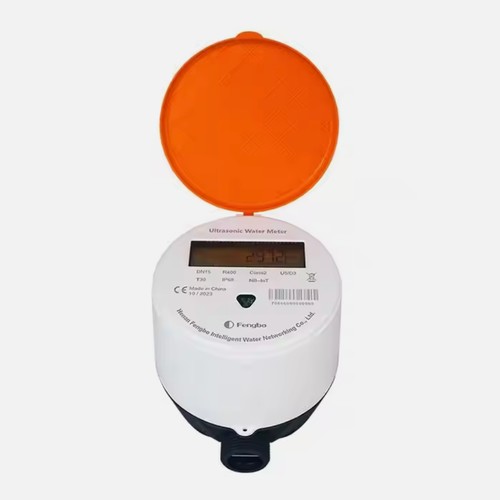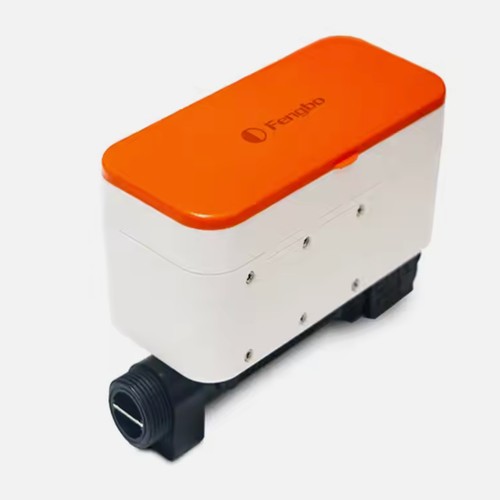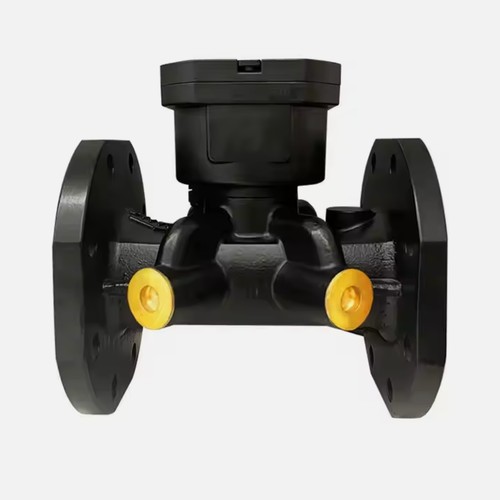
The Power and Potential of Digital Water Meters
Technological progress is constantly transforming various industries, and water management is by no means an exception. By integrating digital technologies, we have achieved unprecedented levels of accuracy, efficiency, and sustainability in monitoring water usage. The digital water meter stands at the center of this change — an innovative breakthrough that is set to redefine how we measure and manage our most valuable natural resource. This piece takes an in-depth look at digital water meters, examining their advantages, operational mechanisms, and the role they can play in building a more water-efficient future.
The Development of Water Metering Technology
For decades, traditional water metering systems have been the foundation of utility management. These mechanical devices have played a key role in measuring water consumption, facilitating precise billing, and encouraging water conservation. Yet, they are not without drawbacks. The need for manual readings, the risk of human error, and limited access to real-time data have all undermined their effectiveness in today’s fast-changing digital world.
To address these issues and usher in a new age of water management, digital water meters have been developed as a technologically advanced alternative. By leveraging state-of-the-art technologies including the Internet of Things (IoT), wireless communication, and data analysis, these meters offer a thorough and dynamic insight into water consumption patterns.
The Operational Principles of Digital Water Meters
Fundamentally, a digital water meter operates similarly to its traditional mechanical counterpart, as it measures the volume of water flowing through a building or property. The key difference, however, is its capacity to collect, transmit, and analyze data in real time. Here’s a breakdown of its working process:
1. Sensing and Measurement
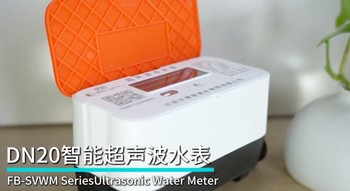
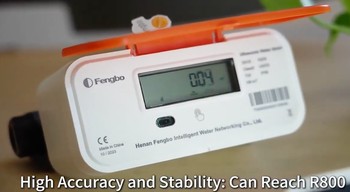
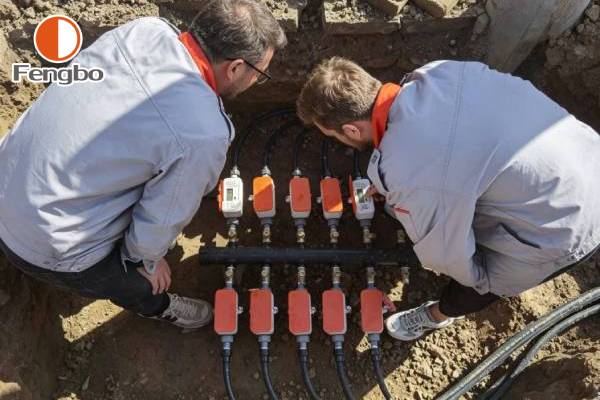
To measure water flow with high precision, digital water meters use advanced sensor technologies such as ultrasonic, electromagnetic, or other cutting-edge sensors. Unlike mechanical meters, they are capable of bidirectional flow measurement, allowing them to distinguish between incoming and outgoing water.
2. Data Gathering
At regular intervals, the meter records water consumption data, which is either processed internally within the device or sent to a central data storage system. This data includes specific details such as water usage volume, flow speeds, and even periods of peak consumption.
3. Wireless Connectivity
The majority of digital water meters come with wireless connectivity features, such as cellular networks, Wi-Fi, or LoRaWAN. This enables the seamless transmission of data to cloud-based platforms or the systems of utility providers.
4. Cloud Integration
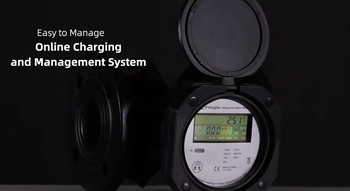
Data collected from multiple meters is aggregated on cloud-based platforms. This central data hub allows for real-time monitoring, analysis, and visualization of water consumption patterns. Users can check their water usage information via web interfaces or specialized mobile applications.
5. Analytics and Practical Insights
Digital water meters can deliver valuable insights into consumption trends, leak detection, and irregular usage patterns through the power of data analytics. Advanced algorithms can even forecast potential problems, enabling users to take proactive measures to address them.
Embracing a Water-Smart Future
As global water scarcity becomes an increasingly pressing issue, the importance of efficient water management continues to grow — and digital water meters are emerging as a crucial tool in this effort. By bridging the gap between traditional metering and modern digital technology, they empower both utility providers and end-users to take greater control over water consumption.
For utilities, digital water meters reduce the burden of manual labor, minimize errors, and provide real-time visibility into their water distribution networks, helping to reduce waste and optimize resource allocation. For homeowners and businesses, these meters offer transparency into their own water usage, making it easier to identify opportunities for conservation and cost savings.
In the end, digital water meters are more than just a technological upgrade; they are a step toward a more sustainable and water-conscious world. By harnessing the power of digital innovation, we can ensure that our most precious resource is managed wisely, preserving it for future generations while meeting the needs of today.